


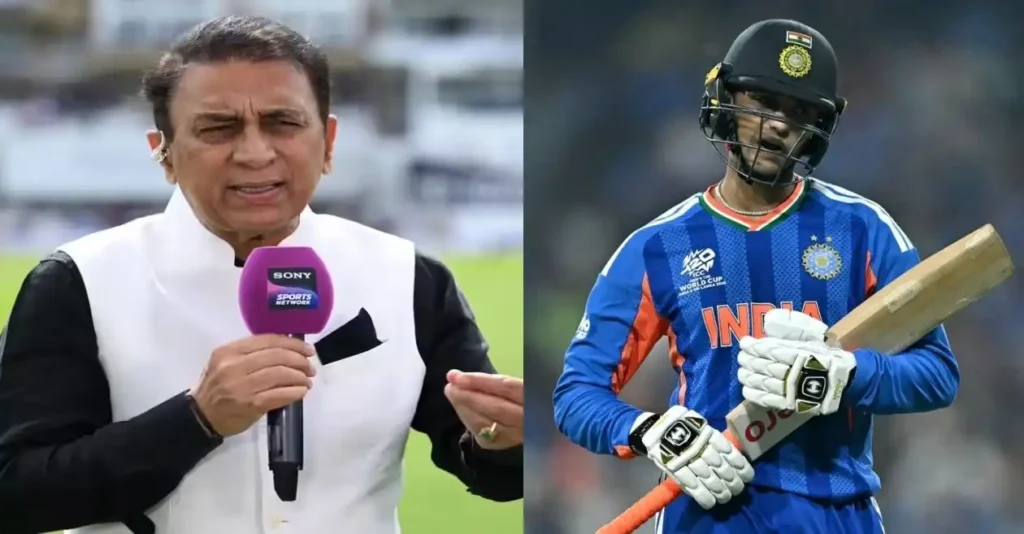


India‘S t20 world cup 2026 The campaign has revealed an unexpected story – the prolonged weakening of their explosive opener, Abhishek Sharma. Abhishek, known as India’s destroyer-in-chief in the marquee tournament, has had a nightmare start by registering three consecutive zeroes in his first three matches.
For the world No. 1 in recent T20Is, the sudden decline has been shocking. India may have swept through their group-stage assignment, but Abhishek’s absence on the scoreboard has become a growing concern within the camp and among the fans.
The figures present a worrying picture. In just eight T20I innings in 2026, Abhishek has already set a record of being out for a duck five times – equaling the Indian record of being out for a duck in most T20Is in a calendar year, which he previously held. sanju samson. What is even more worrying is that he has become the first batsman in T20 World Cup history to start the campaign with three consecutive zeroes.
Sunil Gavaskar explains how Abhishek Sharma can get his form back in T20 World Cup 2026
Former Indian captain amid investigation Sunil Gavaskar Instead of harsh criticism, he has taken steps with calm, measured advice. Speaking during a broadcast analysis, the great batsman suggested that the burden of expectations could weigh heavily on the young opener.
According to Gavaskar, Abhishek’s role as the team’s premier six-hitter and headline act may have subtly changed his approach. Instead, three early setbacks have hardened his mindset. Gavaskar believes that once self-doubt sets in, even naturally talented stroke-makers can lose momentum.
“Maybe the expectations were a bit too heavy on him. He is a lovely boy. If he had got a good start in the first game, things might have been different. But now, you can understand that the expectations of being the big man, the six-hitter, the No. 1 batsman in the team must have been too heavy on him.” Gavaskar said on Star Sports.
One of Gavaskar’s key suggestions was simple but profound – give yourself time. In an urgency-driven format, that advice may seem counterintuitive. But the former captain stressed that Abhishek does not need to announce his arrival with fours or sky-scraping sixes. Gavaskar advised him to avoid playing across the line early in the innings and instead focus on playing straight, assessing conditions and building bases. He argued that one should not panic even with a handful of dot balls in the beginning.
The veteran said that a batsman of Abhishek’s range can compensate immediately once he settles down. The key lies in surviving the early stages and letting instincts naturally take over rather than hitting spectacular shots from the first ball.
“I think given the range of shots he has, he has to give himself a little more time in the middle. He is not looking to start his innings with a four or a six. If he achieves that, then fine – but looking to play across the line for the big shot, no. Even if there are four dot balls, it does not matter because he can make up for it in the next four to eight balls.” Gavaskar added.
Gavaskar on the main problem with Abhishek
Another concern flagged by Gavaskar was predictability. It seems that the opposition bowlers have sensed Abhishek’s aggressive intentions and are laying their nets accordingly. Without an early strike rotation or quick singles, the pressure has increased, often leading to hasty stroke play. Gavaskar stressed the importance of achieving the target – a small but psychologically significant milestone. Rotating the strike, feeling the pitch and finding rhythm through singles can unlock a batsman’s timing and confidence.
“He has to play smart cricket. He has to get circulation in his legs. He has to get off the mark. If you are playing for India, you have to get off the mark and everything will fall into place. The way he is getting out is very predictable. When you take a few singles, you get an idea of the pitch. Once he gets set, he will get a big score.” Gavaskar further said.