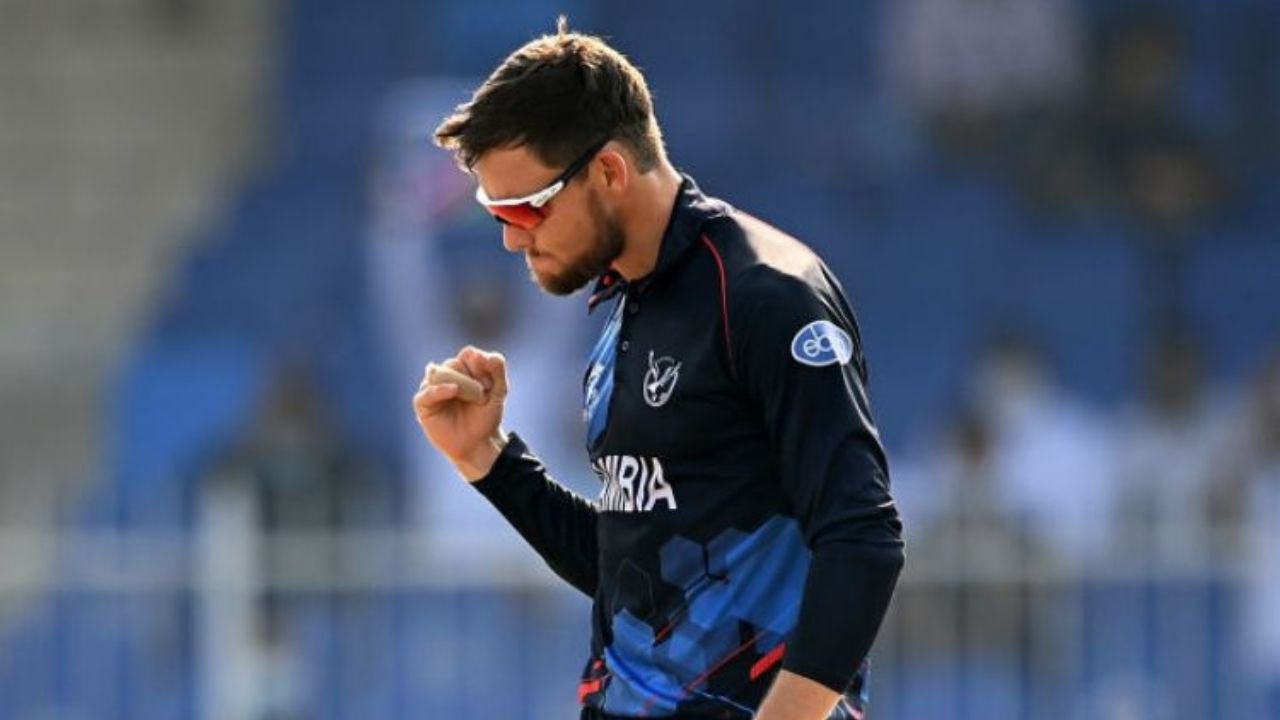
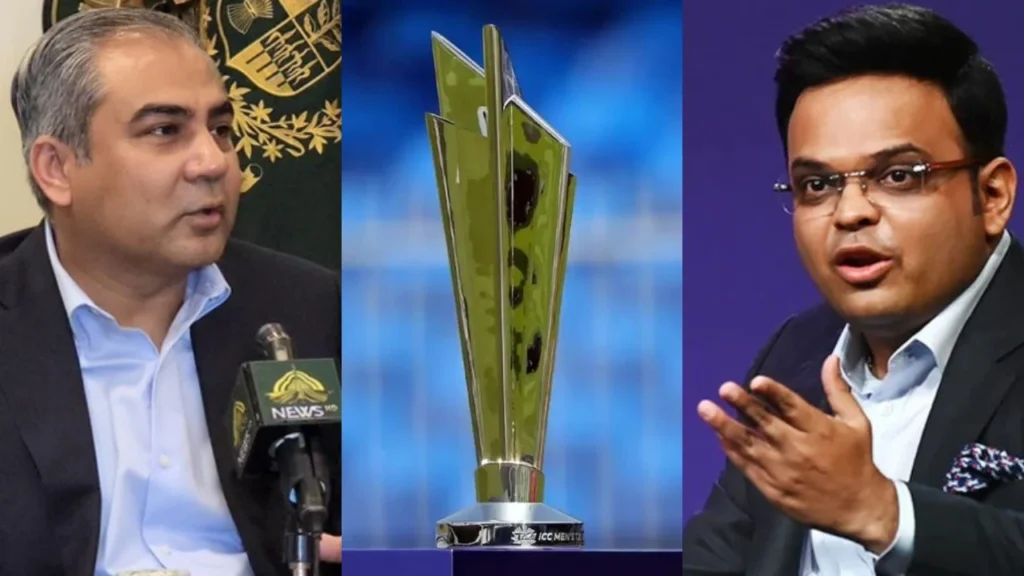
Pakistan, under the leadership of Salman Ali Aga, has received the nod from his government to participate in the upcoming T20 World Cup 2026, which is scheduled to begin on February 7. However, the team will not play its group-stage match against India on February 15, a decision that is expected to lead to financial losses.
Pakistan has not revealed the reason behind its decision. The matter started when Bangladesh Cricket Board (BCB) refused to send its team to India for the T20 World Cup matches. As a result, the ICC replaced Bangladesh with Scotland. PCB chairman Mohsin Naqvi said Bangladesh were treated ‘unfairly’.
ICC warns PCB for not playing match against India in T20 World Cup
The International Cricket Council has issued a warning to the Pakistan Cricket Board over its decision. The ICC said that refusing to play the match would have serious consequences beyond just the match.


According to the ICC, the move could harm the wider “global cricket ecosystem”. The concern is about money and such a decision can lead to huge financial losses. It is noteworthy that the Board reminded the PCB that it is a part of the global system and it also benefits from it.
“The ICC hopes that the PCB will consider the significant and long-term implications of cricket in its own country as it is likely to impact the global cricket ecosystem of which it is a member and beneficiary.”
India vs Pakistan T20 World Cup 2026 match price Rs 4500 crore
India vs Pakistan T20 match is the highest money-earning match in world cricket. According to NDTV report, the value of one game after taking into account TV rights, advertising, sponsorship and ticket sales is US$500 million (Rs 4500 crore).
No other cricket match comes close to generating this level of revenue. During this conflict, TV channels charge Rs 25-40 lakh for a 10-second advertisement. If the match does not take place, the biggest loss will be to the broadcasters.
They expect to earn around Rs 300 crore from this one game through advertisements alone. Broadcasters pay huge sums for guaranteed marquee fixtures, and losing the biggest match breaks this value. JioStar has already sought a refund from the ICC due to the potential financial hit.
When broadcasters lose money, the ICC makes less money from the tournament. The intrinsic value of each World Cup match is approximately Rs 138.7 crore, and removing the India-Pakistan match not only results in the loss of one match but shakes the entire financial structure of the tournament.
Pakistan faces huge economic loss due to not confronting India
If the match does not take place then Pakistan is going to suffer the biggest blow. Both India and Pakistan may suffer a loss of about Rs 200 crore in direct and indirect revenue. Although India can handle that loss, it will be a big blow to Pakistan.
The PCB earns approximately US$34.51 million from the ICC every year, but this income depends on playing all scheduled matches. Insurance will not cover losses, as voluntary evacuation is not considered “force majeure”. The PCB may face funding cuts, heavy fines and legal action from broadcasters.
This damage may occur in the future also. Broadcasters may consider Pakistan matches risky and may pay less for the rights going forward, while sponsors may stay away for fear of cancellation.
Thousands of fans have booked flights and hotels for the game and without refunds they could lose their money. Pakistan may feel they are making their point, but abandoning this match may cost them more than expected in the long run.
Also read: Due to fear of Gautam Gambhir’s team, Pakistan boycotted the match against India, will not support Bangladesh – know why