From 1 October 2025, a law banning real money gambling comes into force in India. The country is now facing the intersection of economic and social interests. Officials call this decision necessary to protect citizens from gambling addiction, fraud and money laundering. However, the financial consequences of this approach can be quite large, ranging from lost investment in the games industry to the growth of a shadow market.
game economy Without partner: Who loses out most of
India’s sports industry, especially cricket, has long been a center of attraction for private capital. However, the new law effectively cuts off access to investment from local and international gambling brands that traditionally sponsor clubs, leagues and athletes.


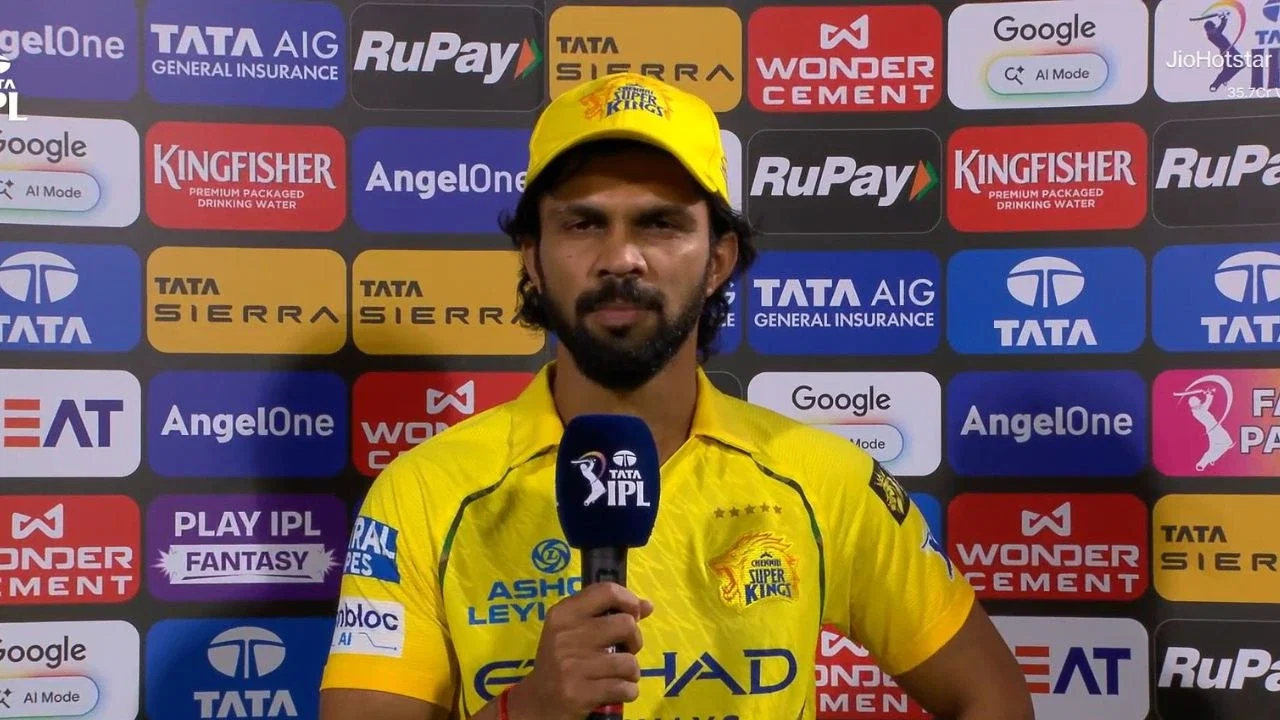
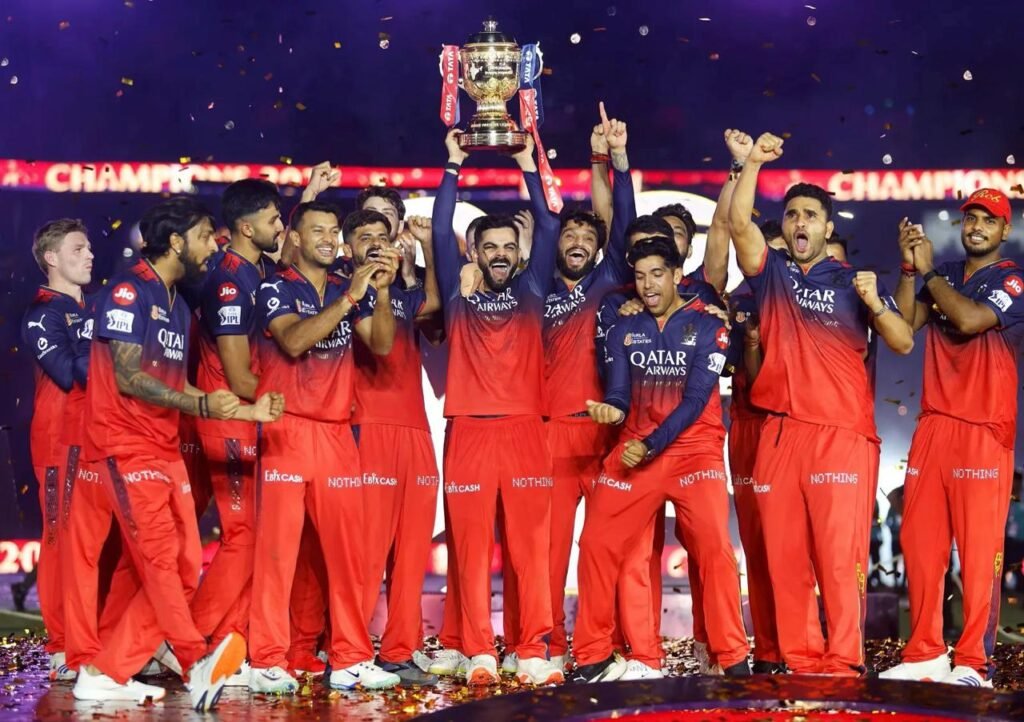
Before the ban, India hosted around 400 real-money gaming (RMG) companies, productive About $2.3 Arab In taxesEveryone Year and supporting over 200,000 jobsOne of them, Dream11, India’s largest fantasy sports platform, became the main sponsor of the national cricket team for three years in July 2023, with its logo also appearing on the team’s jersey. But now, that is history. Another company, My11Circle, valued at $2.5 billion, was a partner of the Indian Premier League. Both companies have stopped operations.
Globally, many international betting brands invest in sports development through both sponsorship deals and social programs.
Among them is 1xBet, known for its partnerships with football and cricket clubs as well as its support for Indian para-athletes and charitable initiatives that promote inclusion in sports.
Under the current circumstances betting companies are unable to cooperate with Indian clubs or sports organizations. As a result, Indian sport missed out on vital investments that could have supported infrastructure, youth programs and athlete development. A clear example is 1xBet, which actively supports cricket outside India, including the Durban Super Giants and the European Cricket Network, which are investing in the promotion of the game and the development of the cricket ecosystem.
Tax Loss And regulated market Possibility
According to SCCG management’s analysis (“Cricket, cards and cash: How India’s digital betting market is shaping global gaming“), Legalized betting could bring billions of dollars to the government every year, creating not only the tax base but also thousands of jobs. IJFMR researchers estimate that full legalization could bring jobs to the government. 0.4–0.6% To India’s GDP In the first three years of a regulated sector.
On the contrary, current tax policies and unclear regulations discourage investors. The 28% GST on players’ deposits is quite high, while most regions around the world only tax gross gaming revenue,
These situations drive businesses underground and drive users to play through offshore sites. As a result, the government not only loses tax revenue but also loses control over financial flows.
Adopting a “controlled legalization” model with moderate tax rates and auditing would be more economically beneficial. Following the examples of the UK or the Philippines, such a system could balance government interests with the commercial appeal of the market.
Responsible Gambling And Government institute Role
India’s main problem is the lack of government institutions that can regulate the market and support social programs. Regulation is not just about taxes; This should include addiction prevention, support for gamblers, and educational initiatives.
In developed jurisdictions, specialized agencies (for example, the UK Gambling Commission) not only issue licenses but also finance support programmes, research and training initiatives for operators.
There is a lack of such structures in India. establishment of a dedicated commission This could be a first step towards proper regulation. Its functions may include issuing licenses, auditing algorithms, monitoring transactions, detecting suspicious activity, and funding psychological support centers.
restrictions As risk: Economic Effect And market consequences
A complete ban on real money games threatens the billion-dollar industry. Even now, platforms are challenging the law in the courts, and major investors are “freezing” deals out of fear of capital losses due to legal Uncertainty.
The ban doesn’t eliminate gambling – it takes it out of the country. Players continue to use international sites outside Indian jurisdiction, do not pay taxes, and, most importantly, do not follow security standards. As Yahoo Finance notes, this could lead to a “brain drain”, with top game development experts and analysts becoming more liberal. Jurisdiction.
In the long term, the economic damage could be significant: instead of developing the tech sector, India risks developing an illegal market that creates no jobs, pays no taxes, and is beyond government control.
conclusion
The complete ban on betting in India is an attempt to solve a social problem through administrative measures, but from an economic perspective it is a strategic mistake. By losing investment in sports, technology and startups, the government misses the opportunity to create a regulated, transparent and socially responsible market.
Regulation, not ban – the path taken by mature Economies.
If India establishes a legal licensing system for operators and a regulated gambling market, investments from global companies like 1xBet could flow directly into the country’s economy – into sports infrastructure, educational projects, training centers and gambling addiction prevention programs. The government will gain tax revenue, strengthen its position in the global digital economy and cricket will remain not just a game but a tool for development.