



Asia Cup 2025 Ready to start on 9 September United Arab EmiratesTo mark the 17th edition of this prestigious continental cricket tournament. As Asia’s major cricket competition prepares for another thrilling chapter, the tournament will feature eight teams competing in the Twenty20 International (T20I) format in 20 days till September 28. The version represents the Asia Cup for the third time, which will be held in the smallest format after the previous T20i tournament in 2016 and 2022.
Asia Cup format and structure 2025
The Asia Cup 2025 has an extended format with eight -run teams divided into two groups of each four teams. Group A includes India, Pakistan, OmanAnd hosts UAE, While Group B is included Bangladesh, Sri Lanka, Afghanistan And Hong KongThe tournament follows a structured progress, where the top two teams from each group reach the super fore stage, competing in a round-robin format before contesting the top two teams in the final on September 28.
The matches will be held at two prominent places in the UAE: Dubai International Cricket Stadium (hosted 11 matches with a capacity of 25,000) and Sheikh Zayed Cricket Stadium in Abu Dhabi (8 matches hosting with a capacity of 20,000). It represents the largest Asia Cup in terms of participating teams, expanding to eight countries with traditional six-team formats.
Five full members of Asian Cricket Council (ACC) – India, Pakistan, Sri Lanka, Bangladesh and Afghanistan – are automatically eligible for the tournament. The remaining three spots were filled by the UAE, Oman and Hong Kong, who earned qualifications through its top-three concluding the 2024 ACC Premier Cup. The tournament for the United Arab Emirates was transferred due to safety concerns, selected for their experience hosting the High-Profile International Cricket Tournament.
Historical T20I Asia Cup winner and champion
The Asia Cup visit in the T20i format reflects the dominance of traditional Asian cricket powers. India won the inaugural T20i Asia Cup in 2016, hosted in Bangladesh, where they defeated Bangladesh by eight wickets in the final. Under the captaincy of MS Dhoni, India posted a commanding demonstration, limiting Bangladesh to 120 runs to easily achieve the target. Shikhar Dhawan Getting the Player of the Match Award for your match winner 60 -run knock.
Sri Lanka captured their most recent Asia Cup title in 2022, when the tournament returned to the T20I format after a six -year gap. The island nation defeated Pakistan by 23 runs in the finals, with Bhanuka Rajapaksa’s unbeaten 71, he won the Man of the Match Award. Sri Lanka’s victory came after scoring 170 runs in the first innings and successfully defended the clan by limiting Pakistan to 147 runs.
These two T20I versions display competitive balance in Asian cricket, making them the most successful nations in the history of the tournament of India’s eight overall Asia Cup titles (including seven ODI and one T20i). Sri Lanka follows with six titles, while Pakistan has claimed two championships. The 2025 version promises to continue this legacy of intensive competition between the Asian powerhouse of cricket.
Asia Cup: Tournament player
The T20I Asia Cup format has produced two extraordinary players of tournament winners, showing various talents in both Asian cricket countries.
Sabbir Rahman (Bangladesh) – 2016 T20I Asia Cup:

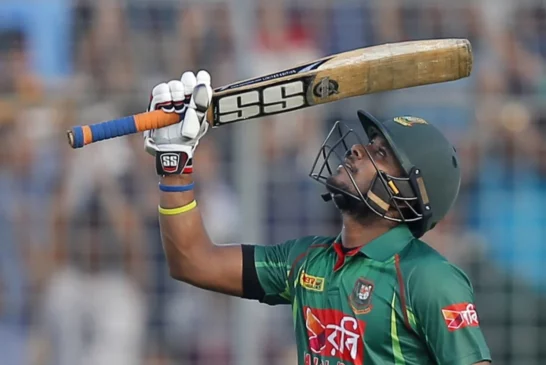
Bangladeshi Batter T20I became the first player of the tournament in the Asia Cup history, with an impressive average of 44.00 and 176 runs in five matches at a strike rate of 123.94. Rahman’s standout performance came against Sri Lanka in Mirpur, where he scored a brilliant 80 off 54 balls, herbs with 10 fours, Bangladesh won their first T20I win over Sri Lanka. His frequent batting throughout the tournament, including significant contribution to scores of 44 against India and significant contribution to pressure conditions, recognized him as a lead artist of the tournament despite Bangladesh’s runner-up finish.
Vanindu Hasranga (Sri Lanka) – 2022 T20I Asia Cup:

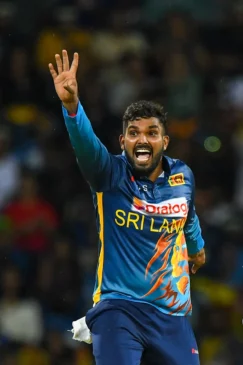
The Sri Lankan leg-spinning all-rounder gave a masterclass in the 2022 edition, contributing 66 runs and claimed 9 wickets throughout the tournament. With a performance winning match against both Bangladesh and Pakistan, Hasranga’s all-round excellence proved important in Sri Lanka’s championship win. His ability to contribute with both bat and balls followed the role of modern T20 all-rounder, especially in the Super Four match against Pakistan, where he claimed 3 wickets for 21 runs, limited Pakistan to 121 runs. The performance of Hasranga’s tournament established him as one of the major T20I all-rounders globally.
Both players represent the developed nature of T20I cricket, where individual talent can greatly affect the results of the tournament, displaying the depth of talent in different Asian cricket countries.
Also read: Asia Cup 2025 tickets on sales: check price, booking process vs Pakistan and other matches for India
Asia Cup: Here is a complete list of tournament players till date
| Year | Format | Player (team) | Display details |
| 1984 | ODI | Surinder Khanna
(India) |
107 runs |
| 1986 | ODI | Arjun Rantunga (Sri Lanka) | 105 runs and 4 wickets |
| 1988 | ODI | Navjot Sidhu (India) | 179 runs |
| 1990/1991 | ODI | , | , |
| 1995 | ODI | Navjot Sidhu
(India) |
197 runs |
| 1997 | ODI | Arjun Rantunga
(Sri Lanka) |
272 runs |
| 2000 | ODI | Mohammad Yusuf (Pakistan) | 295 runs |
| 2004 | ODI | Sanath Jaisuria (Sri Lanka) | 293 runs and 4 wickets |
| 2008 | ODI | Ajantha Mendis (Sri Lanka) | 17 wickets |
| 2010 | ODI | Shahid Afridi (Pakistan) | 265 runs and 3 wickets |
| 2012 | ODI | Shakib Al Hasan
(Bangladesh) |
237 runs and 6 wickets |
| 2014 | ODI | Lahiru Thirimain (Sri Lanka) | 279 runs |
| 2016 | T20 | Sabbir Rahman (Bangladesh) | 176 runs |
| 2018 | ODI | Shikhar Dhawan (India) | 342 runs |
| 2022 | T20 | Vanindu Hasranga (Sri Lanka) | 66 runs and 9 wickets |
| 2023 | ODI | Kuldeep Yadav (India) | 9 wickets |
Also read: Irfan Pathan chose Sanju Samson’s ideal batting order for India in Asia Cup 2025