

ICC T20 World Cup 2026 is currently going on and fans are enjoying the cricket activities. However, just days earlier, the biggest India-Pakistan match of the tournament was in serious danger of being canceled and the high-voltage clash had become the center of a major diplomatic drama.
Uncertainty hung over the event for several weeks. Boycott threats, political interference and the demand list of the Pakistan Cricket Board (PCB) created a tense atmosphere. However, after talks with the ICC led by Jay Shah, the PCB agreed to face the rival teams in Colombo on Sunday, February 15.
Here’s the complete timeline of how the drama unfolded, from Pakistan’s boycott threat to their final U-turn.


India-Pakistan fixture sparks T20 World Cup 2026 controversy
The ICC announced the schedule for the T20 World Cup 2026, in which India and Pakistan have been placed in Group A along with the Netherlands, Namibia and the United States. The India-Pakistan match soon became the most talked about match of the tournament.
Fans began booking tickets and broadcasters predicted record-breaking viewership. However, issues soon came to light after the Bangladesh Cricket Board (BCB) raised serious concerns about playing in India. BCB’s reaction has come after Mustafizur Rahman was removed from IPL 2026.
Three-time IPL champion Kolkata Knight Riders (KKR) released Mustafizur following instructions from BCCI. Mustafizur was bought by Kolkata Knight Riders for Rs 9.20 crore in the IPL 2026 auction. The 30-year-old featured in 60 matches across five teams and took 65 wickets overall.
Mustafizur took 17 wickets for Sunrisers Hyderabad between 2016 and 2017, followed by seven wickets for Mumbai Indians in 2018. He took 14 wickets in 2021 and 14 more in nine matches for Chennai Super Kings in 2024. The left-arm fast bowler took 13 wickets for Delhi Capitals.
There is talk of boycotting Pakistan due to Bangladesh’s exit.
Bangladesh said they may withdraw from the tournament after their concerns were ignored by the ICC. In a surprise move, BCB officially announced his withdrawal. The ICC acted quickly and included Scotland in place of Bangladesh to maintain the tournament format.
However, the Pakistan Cricket Board expressed “solidarity” with Bangladesh’s stance and used it as a reason to question the integrity of the tournament. BCCI vice-president Rajeev Shukla reacted sharply, saying Pakistan was “misleading” Bangladesh to make a bigger issue.
With Bangladesh out, the Pakistan government began consultations on whether their team should participate. Reports emerged that Pakistan was seriously considering boycotting the conflict with India.
The PCB informally expressed its concerns to the ICC. Pakistan said that they would not play against India, which was a major blow to the tournament. The PCB tried to portray itself as the victim and claimed that they were standing up for Bangladesh.
Boycott threat raises financial concerns for T20 World Cup
The announcement of the boycott sent shockwaves throughout the tournament and broadcasters feared massive revenue risks. India–Pakistan matches generate a large portion of the World Cup’s revenue, and broadcasters have warned of huge financial losses if the match does not take place.
Sponsors also raised concerns, as they had invested millions in anticipation of a high-profile clash. If Pakistan backed out, the commercial viability of the World Cup would be at risk, increasing pressure on the ICC to find a solution.
In particular, the PCB tried to take advantage of the situation by negotiating with a long list of demands. Pakistan informally put forward a number of conditions to revoke its boycott.
The board sought written assurance on the resumption of India-Pakistan bilateral cricket and also proposed a Test match between the two teams within the World Test Championship cycle.
Additionally, the PCB asked for an end to the neutral or hybrid venue model in future tournaments and sought a larger share of the revenue from the ICC. He also insisted that Bangladesh should be reinstated to the tournament as per the agreement.
ICC took a tough stance under the leadership of Jay Shah
Jai Shah showed his administrative talent. Instead of panicking in response to the demands, the ICC under his leadership kept its word. The pressure from the government intensified behind the scenes.
Full members must participate in ICC events. Discussions began around sanctions, with whispers of financial penalties and even suspending voting rights if Pakistan disrupted the tournament.
The ICC was unhappy with the PCB and had asked the board to justify its stand. In particular, the ICC sought clarification on how force majeure could be applied in this situation. The PCB was informed of the possible consequences if they failed to provide valid and solid reasons.
PCB changed stance after ICC and ECB intervention
The Emirates Cricket Board (ECB) sent a letter urging stability in the game. An emergency ICC meeting was held, where PCB representatives were briefed on the financial and reputational consequences.
In a letter to the PCB, Sri Lanka Cricket (SLC) reminded the board of touring Pakistan at a time when many international teams were unwilling to travel due to security concerns. SLC also highlighted the serious financial impact of match cancellation.
“We have informed them about the economic impact in the event of expropriation,” Sri Lanka Cricket Secretary Bandula Dissanayake told The Indian Express.
“We have asked them to consider what loss Sri Lanka will suffer if the match does not take place. There are many stakeholders who will be directly and indirectly affected if the match does not take place.”
Notably, the Board of Control for Cricket in India (BCCI) receives the largest share of ICC revenue and also receives significant income from the Indian Premier League. In contrast, Pakistan and many other teams are far more dependent on their share of ICC revenues.
Pakistan withdraws threat to boycott match against India
The Pakistan government changed its plan to boycott India’s match in the T20 World Cup to be held in Colombo on February 15. Pressure came from several parties, including the Bangladesh Cricket Board, which urged Pakistan to reconsider in the larger interest of international cricket.
The India-Pakistan match is scheduled to be played in Sri Lanka. Sri Lanka Cricket highlighted that the match would have a deep economic impact on local tourism and also warned of financial losses if the match was cancelled.
On Sunday, ICC Deputy Chairman Imran Khawaja met PCB and BCB officials at Gaddafi Stadium in Lahore. A day later, Shehbaz Sharif took the final decision after discussions with Naqvi. By Monday evening, Pakistan officially withdrew the boycott and confirmed participation in the match.
Pakistan government has approved the team to play matches with India in T20 World Cup 2026
The Pakistan government confirmed that it has decided to allow the national team to play its scheduled matches with India. According to the official statement, the decision was taken to preserve the spirit of cricket and ensure smooth continuity of the game among all the participating countries.
“In view of the outcomes achieved in multilateral discussions as well as the requests of friendly countries, the Government of Pakistan directs the Pakistan national cricket team to take the field for its scheduled appearance in the ICC Men’s T20 World Cup on February 15, 2026,” the Government of Pakistan said.
“Furthermore, this decision has been taken with the aim of protecting the spirit of cricket and supporting the continuity of this global game in all participating countries.”
No penalty for Bangladesh, Jay Shah assures ICC event ahead of World Cup 2031
The Jay Shah-led ICC on Monday confirmed that Bangladesh will not face any sanctions despite not taking part in the T20 World Cup. Bangladesh were initially withdrawn from the tournament after refusing to travel to India due to security concerns and were replaced by Scotland.
The ICC also clarified that Bangladesh has been assured of hosting an ICC event ahead of the 2031 Men’s ODI World Cup, which they are ready to co-host with India.
With regard to Bangladesh, the ICC reiterated its continued facilitation of growth in one of cricket’s most vibrant markets with over 200 million passionate fans, to ensure that the national team’s non-participation in the ICC Men’s T20 World Cup 2026 does not have any long-term impact on cricket in the country, the ICC said regarding Bangladesh’s absence from the tournament.
Jay Shah’s calm leadership keeps India-Pakistan match on track
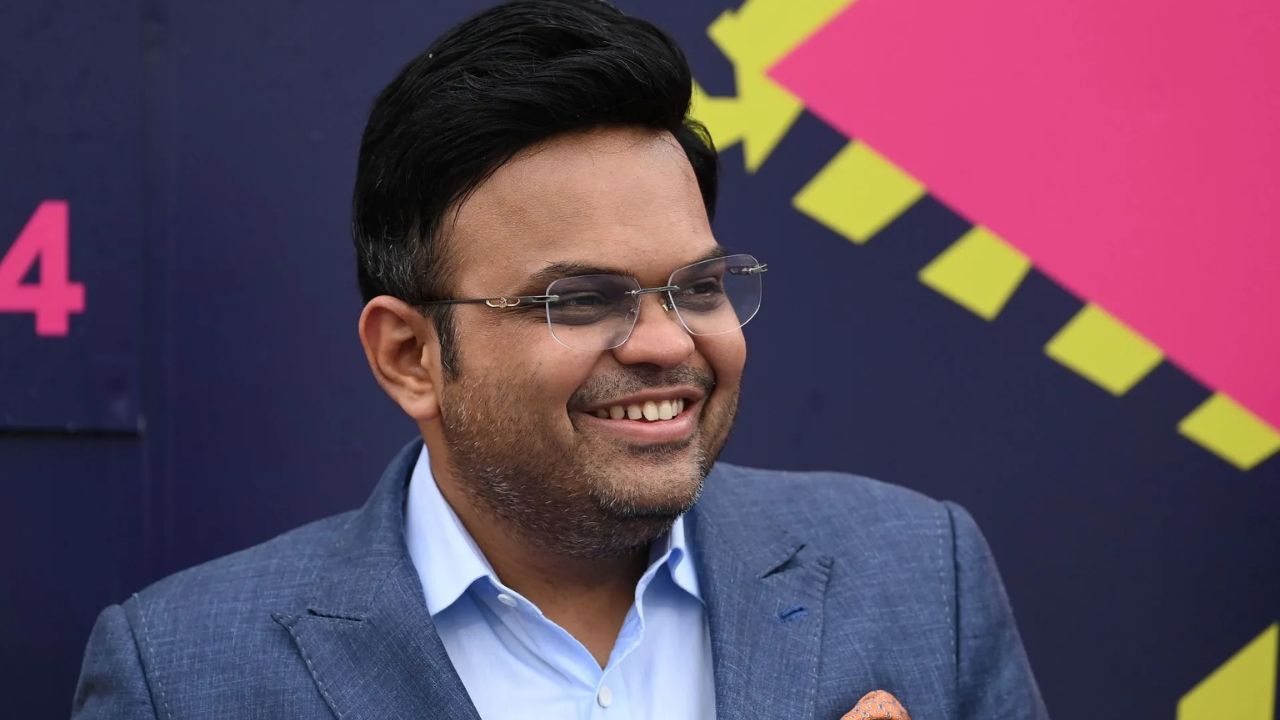
Jai Shah played an important role in resolving the crisis without creating controversy. He did not respond publicly to pressure from the Bangladesh Cricket Board or to the demands raised by the Pakistan Cricket Board. Instead, he remained calm and allowed ICC rules and agreements to guide every decision.
The Shah relied on contracts and governance to handle the situation. This approach protected India’s position and ensured that the tournament remained on schedule. Efforts by the PCB leadership, including Mohsin Naqvi, to make additional concessions were not successful.
Due to which the match between India and Pakistan will be played without any problem. Shah showed that a strong administration does not need big statements.
| Complete timeline of IND vs PAK dispute in brief |
| ICC announces T20 World Cup 2026 schedule with India vs Pakistan clash |
| Commercial hype on high-value India-Pakistan relations is growing |
| Mustafizur’s issue came up |
| Bangladesh raised security and travel concerns |
| Bangladesh indicated to withdraw from the tournament |
| PCB expressed solidarity with Bangladesh |
| BCCI reacts to Pakistan misleading Bangladesh (Comment by Rajeev Shukla) |
| Bangladesh withdraw, Scotland name replacement |
| Pakistan government launches partnership consultation |
| Reports of Pakistan considering boycott over confrontation with India |
| PCB communicates discomfort informally |
| Pakistan announced boycott |
| ICC seeks formal clarification from PCB |
| ICC reminds PCB of contractual obligations |
| Broadcasters warn of revenue losses |
| Sponsor Flag Tournament Value Erosion |
| ICC started diplomatic talks |
| Multi-board solution talks begin |
| Rajeev Shukla says BCCI will not comment |
| PCB kept informal conditions |
| Demand for resumption of bilateral cricket |
| India-Pakistan test proposal in WTC |
| Try to eliminate the neutral site model |
| Demand for more ICC revenue share |
| Concerns raised over participation in franchise league |
| Call for re-establishment of Bangladesh |
| ICC administration pressure increased |
| Possibilities of approval were discussed |
| Government level diplomacy increases |
| PCB reviews financial/reputational consequences |
| Emirates Cricket Board, SLC sent letter |
| ICC meeting held |
| Pakistan’s stance soft |
| The language of exclusion turns into conditional participation |
| ICC works on solutions |
| ICC confirms no ban on Bangladesh |
| Bangladesh asked Pakistan to play |
| Government of Pakistan approved the participation |
| ICC confirms IND vs PAK clash |
| administrative solution reached |
| Tournament stability restored |
| Sri Lankan President thanked PCB |
| Jai Shah’s diplomatic handling highlighted |
Also read: BCCI strict, brutally rejects Suryakumar Yadav and Hardik Pandya’s request for T20 World Cup
