

England Won a spectacular victory by four wickets Australia In fourth ashes test at the Melbourne Cricket Ground (MCG), but the result was quickly overshadowed by sharp criticism of the pitch after the match ended midway through the second day. A total of 36 wickets fell over the two days, with neither side managing an innings score of 200, leading both captains to condemn the surface used for the prestigious Boxing Day Test.
Bowler-friendly MCG pitch dominates the match
The match, part of the Ashes 2025-26 series, saw the dominance of the seam bowlers right from the opening session. Australia were all out for 152 runs in the first innings and performed slightly better in the second innings, being bowled out for 132 runs. England successfully chased down the modest target of 175 runs and won despite struggling with the bat and being bowled out for 110 runs.
The unusually short Test immediately attracted attention, with fans and pundits questioning how an important match at the MCG could end so quickly. It was England’s first Test win on Australian soil since 2011, but even this milestone could not hide concerns over the playing conditions.
Ben Stokes expressed strong disapproval on the surface
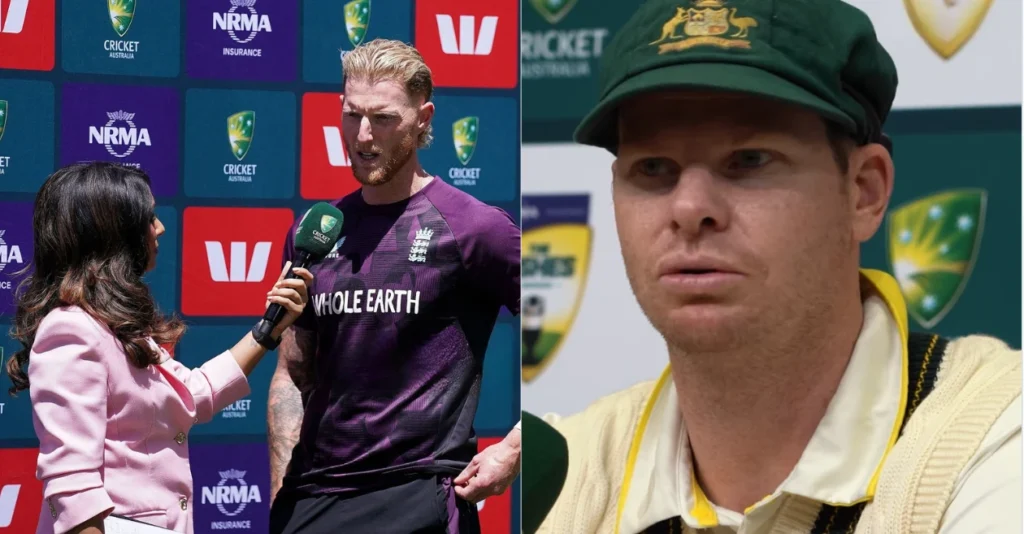
captain of england ben stokes He was candid in his assessment of the pitch, which shows in his reaction to the match referee. “Not very friendly.” Speaking after the game, Stokes said the surface did not live up to expectations for the Boxing Day Test.
“To be honest, this isn’t really what you want,” Stokes said. “For a Boxing Day Test match, you don’t expect the game to be over in less than two days.”
Stokes further said, if such a pitch had been made outside Australia, the reaction would have been much harsher. “If that pitch had been made somewhere else it would have been hell,” He told the BBC, highlighting the imbalance in which 36 wickets fell without crossing the 200 mark in a single innings.
Steve Smith admits that the pitch was helping the bowlers too much
Australia’s stand-in captain Steve Smith echoed Stokes’ sentiments, admitting that the surface helped the bowlers too much. Smith cited the amount of grass left on the pitch as a significant factor in the excessive seam movement throughout the match.
“When you see 36 wickets in two days, it’s probably too much,” Smith said. “Probably a little more than they wanted. Maybe if we cut it down to eight millimeters, that would be about right.”
Smith admitted that both teams struggled to adapt, with the batsmen rarely given a chance to settle down as the ball continued to rotate.
Reflecting on the decline of Australia’s double batting, Smith felt that the lack of meaningful partnerships prevented the game from developing. “If we could have made some partnerships then maybe the ball would have become a little softer and the game would have become a little easier.” he explained.
Constant support from the fast bowlers meant the batsmen were in constant danger, turning what was normally a five-day extravaganza into a frenetic, stop-start contest dominated by the bowlers.
Also read: Ashes 2025/26 – Steve Smith opens up on Australia’s first home Test defeat to England since 2011
Rare two-day final at MCG sparks widespread debate
A two-day final at the MCG is rare and often remembered for the extraordinary circumstances. While some observers compared the match to classic bowler-friendly Tests of the past, many believed that the contest crossed the line, depriving fans of an extended game at one of cricket’s most famous venues.
The freedom enjoyed by Australian curators also became a talking point, with Stokes hinting at double standards in how pitches are judged globally. He stressed that conditions cannot be changed once a match has started, but marquee fixtures deserve surfaces that allow fair competition between bat and ball.
Also read: Mitchell Starc to Dale Steyn – Top 5 bowlers with the best strike-rate in a calendar year in Tests